Meal Planning for Beginners: Start Here
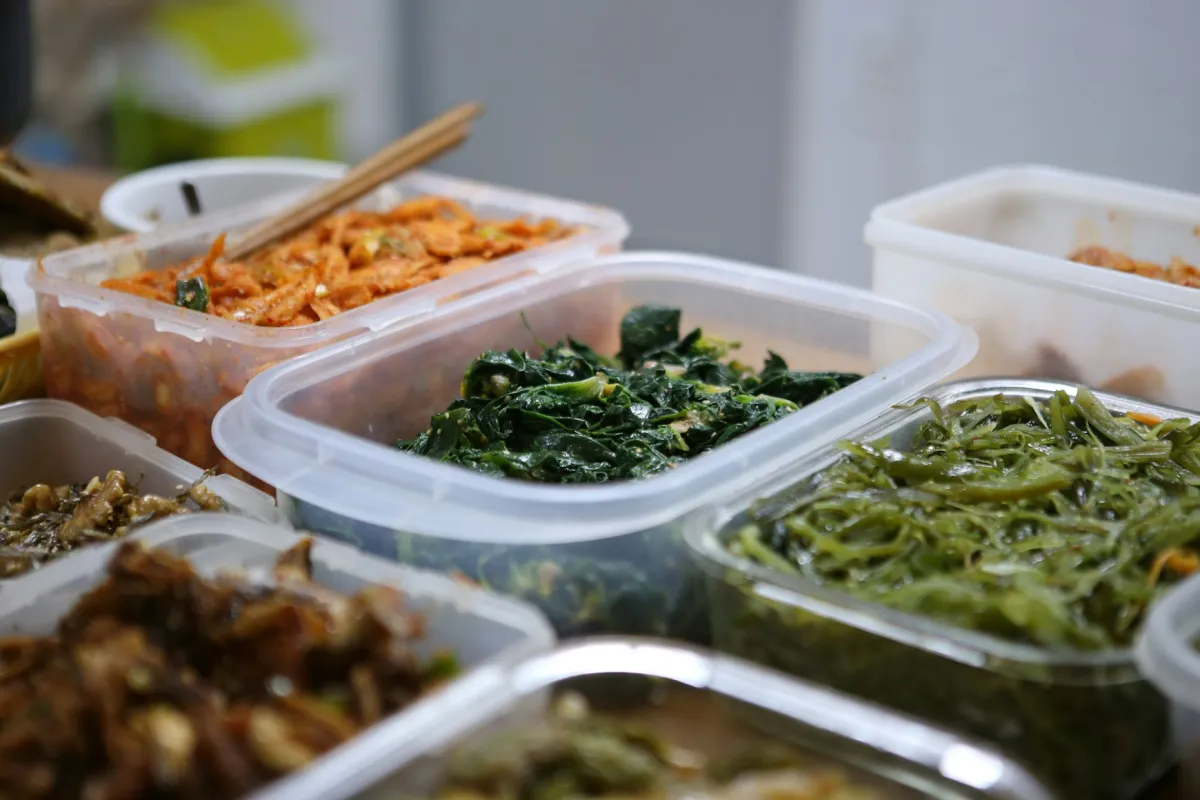
Meal planning for beginners comes down to four things: pick meals that share ingredients, match your planning effort to your household size, have a backup plan in the freezer, and use a tool that does the tedious work for you. A study of over 40,000 adults found that people who plan meals have better diet quality, greater food variety, and lower odds of obesity. The hard part is not knowing meal planning works. It is building a system you will not abandon after two weeks.
This guide skips the theory and gives you a practical system you can start this week.
Pick Meals That Share a Protein
The single easiest way to simplify your first meal plan is to choose recipes that reuse the same protein. Instead of buying chicken breasts for Monday, ground beef for Tuesday, salmon for Wednesday, and pork chops for Thursday, plan two meals around ground turkey and two around chicken thighs.
This does three things at once:
- Saves money: Buying protein in bulk (family packs or larger quantities) can save 30 to 40% per pound compared to buying individual portions
- Simplifies shopping: Fewer unique ingredients means a shorter grocery list and a faster trip
- Reduces waste: A full pack of ground turkey gets used across two meals instead of half sitting in the fridge until you forget about it
How This Looks in Practice
Say you buy a 2.5 pound pack of ground turkey. Plan these two meals for the week:
- Monday: Turkey taco bowls with rice, black beans, and whatever toppings your family likes
- Thursday: Turkey meatballs in marinara over pasta
Same protein, completely different meals. You can do the same thing with chicken thighs (sheet pan chicken one night, chicken stir-fry another), a pork loin (roasted slices one night, pulled pork sandwiches from the leftovers), or a block of firm tofu (crispy tofu bowls and a tofu scramble).
Start your meal plan with the protein, then build the meals around it. This is the opposite of how most people plan (browsing recipes first, then discovering they need 15 different ingredients).
Scale Your Planning to Your Household
How much structure you need in a meal plan depends entirely on how many people you are feeding. A couple cooking for two needs a different system than a family of five.
Cooking for One or Two
If you are cooking for one or two people, you can keep things loose. Use an ingredient framework instead of rigid recipes:
- Pick two proteins for the week
- Keep pantry staples stocked (rice, pasta, canned beans, olive oil, basic spices)
- Buy three or four fresh vegetables
- Improvise meals from combinations of the above
A stocked pantry plus a few fresh ingredients gives you enough flexibility to decide what to cook each night based on your mood and energy level. You do not need a detailed day-by-day plan because the stakes of a missed meal are low: it is just you, and leftovers stretch easily.
Cooking for a Family
Families need more structure. When you are feeding four or more people, the cost of an unplanned meal is higher (more mouths means a bigger takeout bill), and dietary preferences multiply fast. The USDA’s food cost reports show that food costs scale with household size, but not linearly. Larger households benefit from economies of scale, but only if they plan purchases around what they will actually cook.
For families, the system should be:
- Plan five dinners for the week (leave two nights open for leftovers or flexibility)
- Map meals to days based on your schedule: quick meals on busy nights, longer cooking on weekends
- Build a grocery list from the plan and shop once
- Prep shared components on the weekend: cook a batch of rice, wash and chop vegetables, marinate proteins
The Clemson University Home & Garden Information Center recommends planning meals that balance food groups across the week rather than perfecting each individual dinner. Think about the week as a whole: if Monday’s dinner is heavy on carbs, make Tuesday’s lighter and more vegetable-forward.
Plan for the Night Everything Falls Apart
Every meal plan will fail at some point. The kids have a meltdown, you get home late, or the recipe you planned turns out to be more work than you expected. The difference between a sustainable meal plan and one you abandon is having a backup ready.
Build an Emergency Freezer Stash
Keep two or three emergency meals in your freezer at all times. These are not part of your weekly plan. They are your insurance against ordering pizza when the plan falls apart.
Good emergency freezer meals share three traits:
- Minimal active cooking: Goes from freezer to oven to table with almost no effort
- Feeds the whole household: Not a single-serving frozen dinner, but a full meal
- Something your family actually likes: A frozen meal nobody wants to eat is not a backup plan
Examples that work well:
- A frozen lasagna or baked ziti (homemade or store-bought)
- A batch of frozen soup or chili that reheats in 15 minutes
- Frozen burritos you assembled during a weekend prep session
- A casserole that goes straight from freezer to oven
Think of it as a pressure valve. When the week goes sideways, the freezer stash is what keeps you from giving up on the plan entirely.
When to Use Your Emergency Meal
The rule is simple: if dinner is not going to happen as planned and the alternative is spending $40 or more on takeout, pull from the freezer. No guilt. That is what it is there for. Restock the emergency supply during your next weekend prep.
Use an App That Does the Work for You
Pen-and-paper meal planning works, but it creates friction in exactly the places where beginners quit: building grocery lists manually, tracking what is in the pantry, and adjusting when the plan changes mid-week.
A meal planning app handles the repetitive parts so you can focus on choosing meals:
- Automatic grocery lists: Select your meals for the week and the app generates a consolidated shopping list with quantities calculated across all recipes
- Recipe import: Paste a URL from any food blog and get a formatted recipe with ingredients, instructions, and nutrition data extracted automatically
- Drag-and-drop rescheduling: When Wednesday’s dinner needs to move to Friday, drag it instead of rewriting your plan
- Family sharing: Everyone in the household sees the same plan, the same grocery list, and the same recipe collection
The feature that matters most for beginners is automatic grocery list generation. It eliminates the most tedious step in meal planning and removes the most common source of errors (forgetting an ingredient, buying duplicates, miscalculating quantities for scaled recipes).
What About AI-Powered Planning?
Some apps now include AI features that suggest meals based on your preferences, dietary needs, and what you already have in your kitchen. For beginners, this solves the “blank page” problem: instead of staring at an empty weekly calendar wondering what to cook, the app suggests a starting plan that you can adjust.
AI meal planning is not a replacement for learning what your household likes. But it is a useful starting point, especially in the first few weeks when you are still building your recipe rotation.
Frequently Asked Questions
- How many meals should a beginner plan per week?
- Five dinners. Leave two nights open for leftovers, takeout, or the emergency freezer meal. Trying to plan every meal from day one is the fastest way to burn out. Once five dinners feels easy (usually after three to four weeks), expand to breakfasts or lunches if you want.
- How do I meal plan if my family has different dietary needs?
- Plan "component meals" where the base is shared and individuals customize. Taco night with shared rice and beans, a stir-fry where one portion is made without soy sauce, or a grain bowl bar where everyone picks their own toppings. This is much more sustainable than cooking completely separate meals.
- What if I do not know many recipes?
- Start with what you already eat. Most households rotate through about 7 to 10 meals without thinking about it. Write those down first. Then add one new recipe per week. In two months, you will have a rotation of 15 to 20 recipes, which is more than enough for variety.
- How much time does meal planning take?
- The first week takes 30 to 45 minutes as you set up your system. After that, expect 15 to 20 minutes per week: picking meals, checking the pantry, and generating a grocery list. Using an app cuts this further because the grocery list builds itself.
- Should I prep meals in advance?
- Optional but helpful. Even 20 to 30 minutes of weekend prep (washing vegetables, cooking a grain, portioning proteins) saves significant time on weeknights. You do not need to prep entire meals; prepping shared components that appear across multiple recipes gives you the most return for the least effort.
- What is the cheapest way to start meal planning?
- Start with a pen and paper if budget is a concern. The real savings come from the planning itself, not the tool. That said, the USDA's food cost data shows that larger households benefit most from structured planning due to economies of scale. Even a free meal planning app with grocery list features will pay for itself in reduced impulse purchases within the first week.
Summary
- Plan meals around shared proteins to simplify shopping and save 30 to 40% on meat by buying in bulk
- Scale your system to your household: loose frameworks for one or two people, structured weekly plans for families
- Keep two or three emergency meals in the freezer for the nights the plan falls apart; households that use their freezer waste less food
- Use an app with automatic grocery lists to remove the most tedious and error-prone part of planning
- Start with five dinners per week, leave room for flexibility, and add one new recipe each week
Published: