What Is Meal Planning? The Complete Guide for 2026
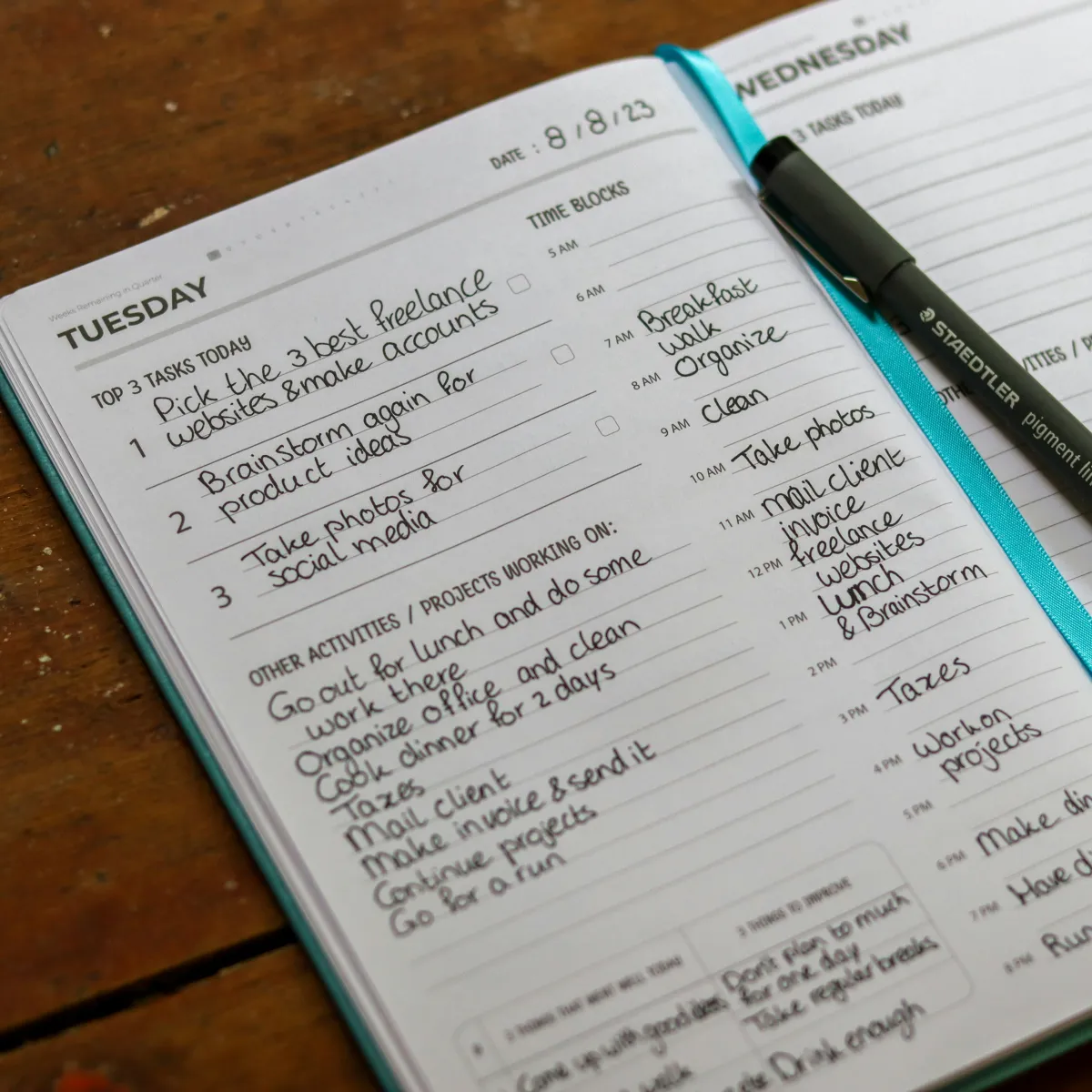
Meal planning is the practice of deciding what you will eat for the upcoming days or week before you shop or cook. It involves choosing recipes, mapping them to specific meals and days, and building a grocery list from those choices. Families who plan consistently can save hundreds of dollars per month on groceries by reducing waste, cutting impulse purchases, and eating out less.
Why Does Meal Planning Matter in 2026?
Meal planning has shifted from a niche productivity habit to a mainstream strategy for managing household costs and health. Grocery prices rose about 24% between 2020 and 2024 according to the USDA Economic Research Service, and the average American household now spends $3,945 per year on food away from home according to the Bureau of Labor Statistics.
Planning your meals directly reduces three costly problems:
- Food waste: The USDA estimates that 30 to 40% of the US food supply is wasted. Planning prevents over-buying
- Impulse purchases: Shopping with a list built from planned meals eliminates unplanned trips and aisle browsing
- Takeout spending: Having a plan for dinner removes the 5pm “what should we eat?” decision that defaults to takeout
How Does Meal Planning Actually Work?
Meal planning follows a simple four-step cycle that repeats weekly or biweekly, depending on your preference. Most people spend 15 to 30 minutes per week once the system is in place.
- Choose recipes: Pick 5 to 7 dinners and any breakfasts or lunches you want to plan. Start with familiar meals your family already enjoys
- Map meals to days: Assign each recipe to a specific day, factoring in your schedule. Busy nights get quick meals; weekends allow longer cooking
- Build your grocery list: List every ingredient you need, minus what you already have in your pantry
- Shop and prep: Buy everything in one trip, then optionally prep ingredients ahead of time
Most beginners start with dinners only. That alone covers the highest-cost, highest-stress meal of the day.
What If My Week Changes?
Flexibility is built into the system. The plan is a guide, not a contract. If Tuesday’s recipe does not work, swap it with Thursday’s. Most meal planning apps let you drag and drop meals between days, making changes instant.
What Are the Benefits of Meal Planning?
The benefits of meal planning span financial savings, health improvements, and time reclaimed. A 2017 study published in the International Journal of Behavioral Nutrition and Physical Activity found that meal planning is associated with a healthier diet, greater food variety, and lower odds of being overweight or obese.
Financial Benefits
The savings come from three areas:
- Food waste reduction: The EPA estimates the average family of four wastes $2,913 per year in food. Planning what you cook before you shop is the single most effective way to reduce that number
- Fewer impulse buys: Shopping with a specific list tied to planned meals eliminates the “browse and grab” pattern that inflates grocery bills
- Reduced takeout: The average household spends $3,945 per year on food away from home. Even replacing two takeout meals per week with planned home-cooked meals saves $100 or more per month
Health Benefits
Harvard’s Nutrition Source notes that preparing meals at home with whole ingredients gives you “more control over your intake of sodium, calories, and other nutrients.” Meal planning makes home cooking the default, not an afterthought.
Additional health benefits include:
- Greater dietary variety from deliberately choosing different recipes each week
- Better portion control when meals are planned and prepped in advance
- Reduced reliance on processed convenience foods and fast food
Time Benefits
While meal planning takes 15 to 30 minutes per week, it eliminates daily decision-making about what to eat, extra grocery runs for missing ingredients, and the stress of improvising dinner after a long day.
How Do I Start Meal Planning as a Beginner?
Starting meal planning takes about 30 minutes for your first week. Here is a beginner-friendly system that works for most households.
Step 1: Audit What You Already Eat
Before planning new meals, write down 10 to 15 meals your household already makes and enjoys. These are your “rotation recipes.” Do not try to reinvent your cooking overnight. You likely have most of this list in your head already.
Step 2: Pick a Planning Day
Choose one day each week for planning. Sunday and Wednesday are the most common choices. Consistency matters more than which day you pick.
Step 3: Start with Five Dinners
Plan five dinners for the week. Leave two nights for leftovers, takeout, or flexibility. This prevents the “perfect week” trap that burns out beginners. People who start small stick with the habit longer than those who try to plan every meal from day one.
Step 4: Build Your List and Shop Once
Generate your grocery list from the five planned meals. Check your pantry and fridge first to avoid buying duplicates. One focused shopping trip beats three improvised ones because each unplanned trip adds impulse purchases.
Step 5: Prep What You Can
Optional but effective: after shopping, wash and chop vegetables, cook grains, and portion proteins. Harvard’s meal prep guide recommends this as a strategy for making healthy eating easier during busy weeks. Even 30 minutes of weekend prep saves hours during the week.
For a deeper walkthrough of each of these steps, including how to scale the system to your household size and what to keep in your freezer for backup, see our meal planning for beginners guide.
What Tools Do I Need for Meal Planning?
Meal planning can be done with pen and paper, a spreadsheet, or a dedicated app. Each approach has clear tradeoffs depending on your household’s needs.
| Method | Pros | Cons | Best For |
|---|---|---|---|
| Pen and paper | Simple, no learning curve | No grocery list automation, easy to lose | Solo planners, minimal needs |
| Spreadsheet | Flexible, customizable | Manual updates, no recipe import, hard on mobile | Detail-oriented planners |
| Dedicated app | Recipe import, auto grocery lists, family sharing | Subscription cost, learning curve | Families, busy households |
For beginners, start with whatever you will actually use. If a sticky note on the fridge gets you planning, that beats an unused app every time.
For families managing multiple schedules, dietary needs, and shared grocery duties, a dedicated meal planning app becomes worth it quickly. Features like automatic grocery list generation, recipe import from any website, and family sharing eliminate the tedious parts that cause people to quit.
What About AI-Powered Meal Planning?
AI-powered meal planning is one of the fastest-growing segments of the meal planning app market. These tools go beyond basic calendar planning by suggesting recipes based on what you already have in your pantry, adjusting portions automatically, and generating nutritional breakdowns.
The most useful AI features for beginners include:
- Recipe suggestions based on dietary preferences and past choices
- Smart grocery lists that consolidate ingredients across multiple recipes
- Nutrition analysis that tracks macros and micronutrients without manual data entry
- “Cook with what you have” features that reduce food waste by using existing ingredients
What Are Common Meal Planning Mistakes?
Most meal planning failures come from overcomplicating the system. Here are the five mistakes that cause people to quit within the first few weeks.
- Planning every single meal: Start with dinners only. Planning 21 meals per week is overwhelming and unnecessary
- Choosing all new recipes: Mix 2 to 3 new recipes with familiar favorites each week. Novelty is motivating in small doses but exhausting at scale
- Ignoring your schedule: A two-hour recipe on a busy Tuesday night will not happen. Match meal complexity to your available time each day
- Not checking your pantry: Building a list without checking what you already have leads to waste and duplicate purchases
- Rigid adherence: Life changes plans. If you swap Monday’s meal to Wednesday, that is meal planning working, not failing
How Does Meal Planning Help with Specific Diets?
Meal planning is particularly effective for households managing dietary restrictions or health goals. A structured plan ensures you meet nutritional targets without relying on willpower at the grocery store.
| Dietary Need | How Planning Helps | Key Benefit |
|---|---|---|
| Gluten-free | Pre-selects safe recipes and identifies hidden gluten | Fewer accidental exposures |
| Keto or low-carb | Tracks daily macro targets across the full week | Consistent ketosis without guessing |
| Anti-inflammatory | Ensures variety of anti-inflammatory foods across meals | Better long-term adherence |
| Food allergies | Identifies allergens before shopping, not at mealtime | Safer meals, less stress |
| Weight management | Controls portions and calories at the planning stage | Reduced impulsive eating |
Research published in the International Journal of Behavioral Nutrition and Physical Activity found that people who plan their meals have significantly better diet quality and greater food variety compared to non-planners, regardless of the specific diet they follow.
For families with mixed dietary needs, plan “component meals” where the base is shared but toppings or proteins vary. Taco nights, grain bowls, and build-your-own pizza are all examples of this approach.
Frequently Asked Questions
- How many meals should I plan per week?
- Start with five dinners per week. Leave two nights for leftovers, eating out, or adjusting. Once planning feels routine (usually after 3 to 4 weeks), expand to include breakfasts or lunches if you want. Planning fewer meals consistently beats planning everything and abandoning the system.
- What is the 5-4-3-2-1 meal planning method?
- The 5-4-3-2-1 method structures your week as: 5 home-cooked dinners, 4 unique proteins, 3 types of vegetables or sides, 2 meals that make planned leftovers, and 1 new recipe to try. It provides variety without requiring a completely unique meal every night.
- Can meal planning work for picky eaters?
- Yes. The key is involving picky eaters in the planning process. Let them choose one or two meals per week. Build "component meals" (like taco bars or grain bowls) where each person customizes their plate. Over time, exposure to planned meals reduces pickiness more effectively than forcing new foods without warning.
- How long does meal planning take each week?
- Most people spend 15 to 30 minutes per week on meal planning once they have a system. The first few weeks take longer (45 to 60 minutes) as you build your recipe rotation and learn the workflow. Using an app with recipe import and automatic grocery lists cuts the time further.
- Is meal planning worth it for one person?
- Absolutely. Solo cooks benefit from reduced food waste (a major issue when cooking for one) and batch cooking efficiency. Plan 3 to 4 meals, cook in batches, and portion for the week. The EPA reports that food waste costs are significant at every household size, and planning is the most effective way to reduce them.
- How much money does meal planning really save?
- The exact savings depend on your household size and current habits, but the three main areas are: reduced food waste (the EPA estimates $2,913 per year for a family of four), fewer impulse purchases from shopping with a plan, and less takeout spending ($3,945 per year for the average household, per the BLS). Even modest improvements in these three areas add up to hundreds of dollars per month.
Summary
- Meal planning is deciding what to eat before you shop or cook, following a weekly choose, map, list, shop cycle
- The USDA estimates 30 to 40% of food is wasted; planning directly reduces that
- Start with five dinners per week and expand gradually; consistency beats complexity
- Use whatever tool you will actually use, from pen and paper to a dedicated app
- Research shows meal planners have better diet quality and greater food variety
- Common mistakes include overplanning, choosing all new recipes, and ignoring your schedule
- Meal planning takes 15 to 30 minutes per week once you have a routine
Published: